
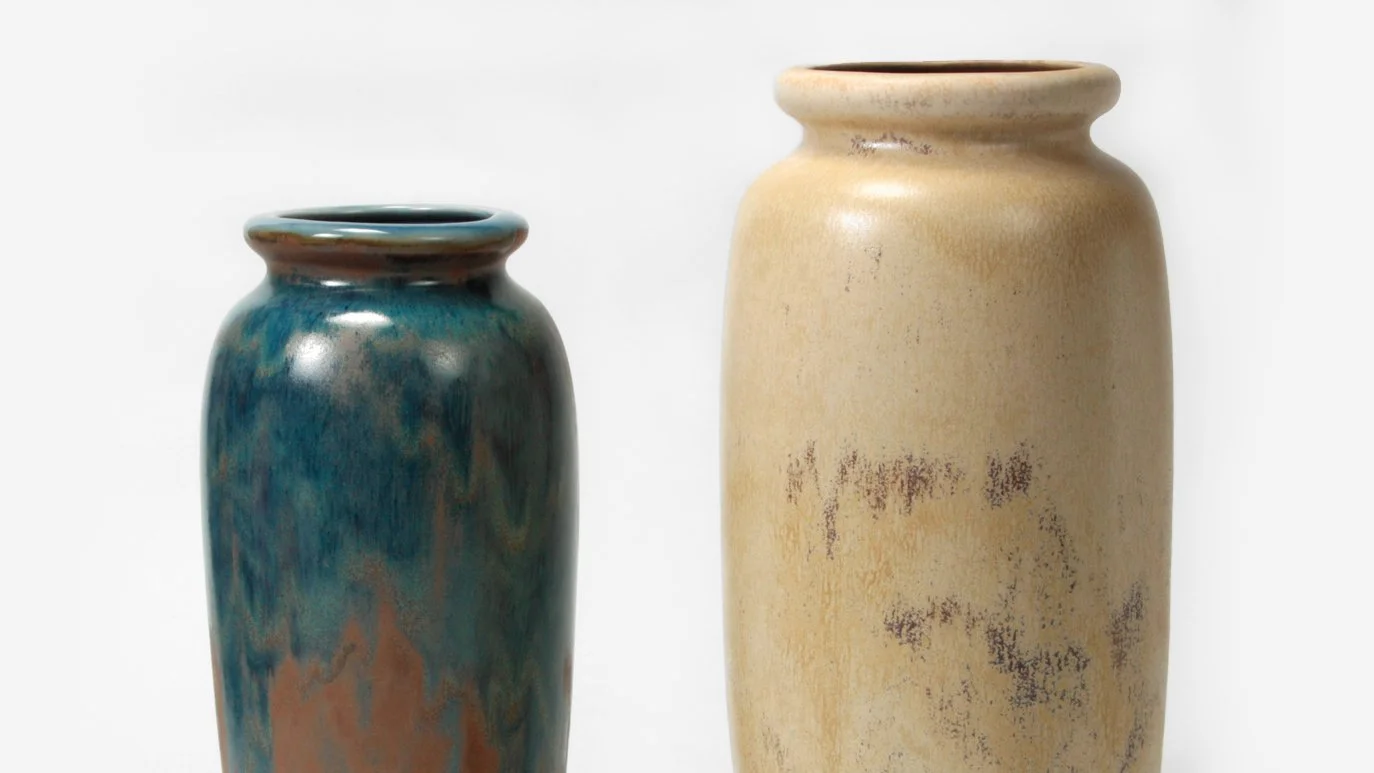
Stoneware Matte
Choose from solid shades to those that create interesting color variation as they move and break. Our Stoneware Matte glazes provide a variety of colors and performance characteristics. Some matte glazes have opaque solid coverage and others are semi-transparent and variegated. Application thickness is key to making Stoneware Matte glazes work for you. Mattes work well on a variety of clay bodies and have a firing range from cone 5-10.
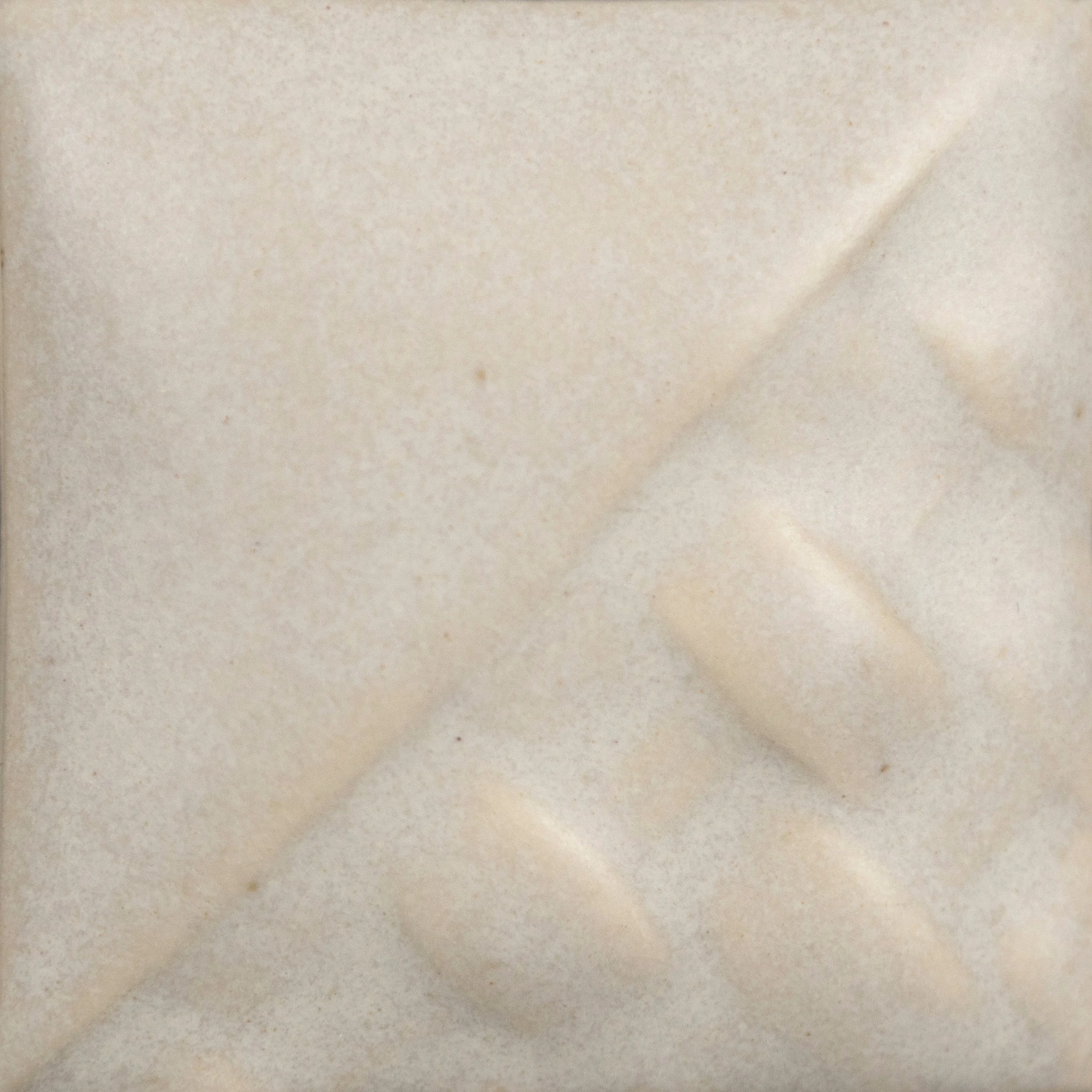
SW-106 - Pint
Cone 6: Alabaster is a semi-opaque white soft matte glaze that breaks over texture.
Cone 10: Color darkens to variegated light gray/purple.
TIP: When using this glaze, you will be able to pick up the characteristics of the clay body due to it’s white semi opaque finish. Combos really well with 2 coats of stroke and coat on top. It has a satin finish. If you like combos with Sea Salt, you will get similar results with Alabaster minus the crystals.
Wood and soda firing results will vary.Wood and soda firing results will vary.
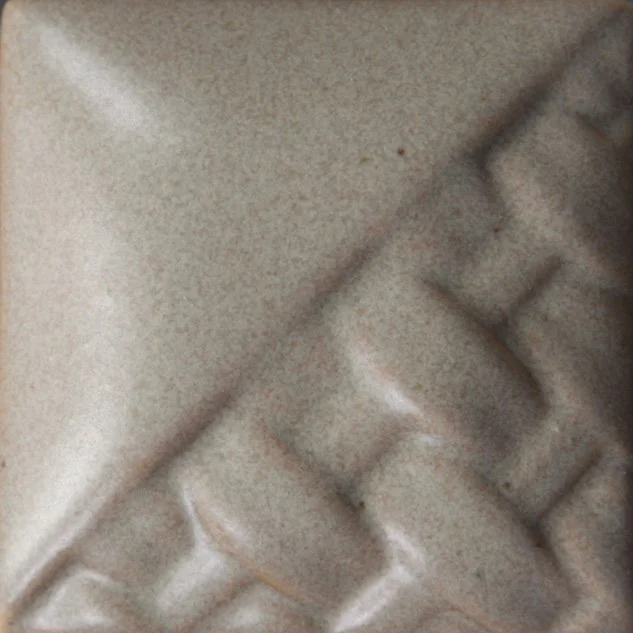
SW-107 - Pint
Cone 6: Dunes is a semi-opaque off-white soft matte glaze that breaks over texture.
Cone 10: Color darkens to variegated gray.
TIP: The lighter the application, the more brown the glaze will appear. The thicker the glaze application, the lighter tan the color.
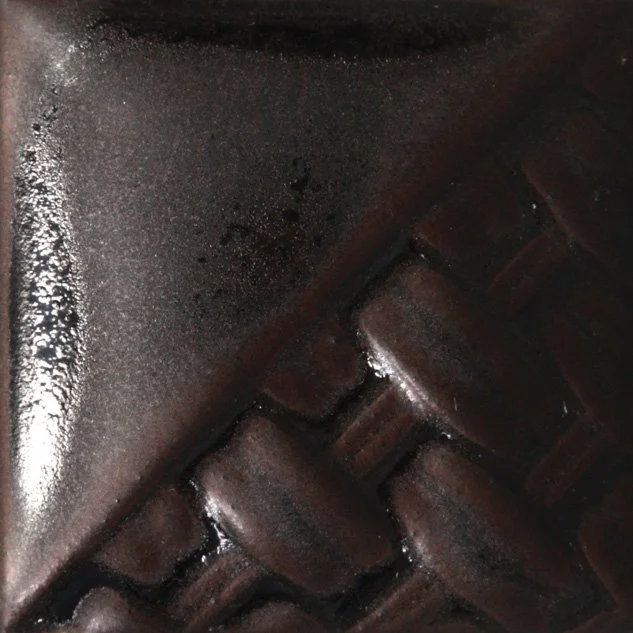
SW-111 - Pint
Cone 6: Wrought Iron creates an intermittent, dappled black gloss-matte finish that is reminiscent of high fire oil-spot glazes. Typically, oil-spot glazes are thickly applied and require some reduction during the firing to achieve the oil-matte effects; Wrought Iron does the job with just two coats in a cone 6 oxidation firing.
Cone 10: Color changes to a dark metallic gray.
TIP: The thinner the application the more brown the glaze. The thicker the application the more black the glaze. This glaze is not completely matte, but will have a matte finish with variation of gloss. Due to the high manganese content, there is a chance of bubbling on a speckled clay body.
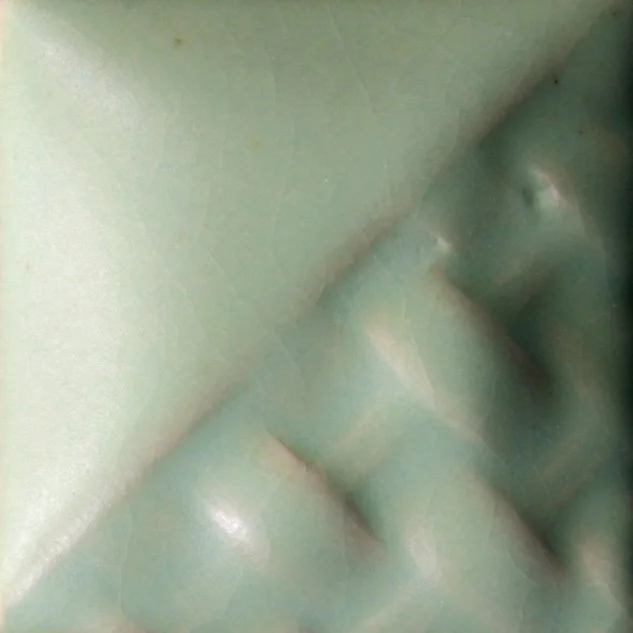
SW-135 - Pint
Cone 6: Wintergreen is a light-green, semi-opaque satin matte glaze at cone 6. Lighter coatings will allow body characteristics to appear through the glaze (especially on dark and speckled clay bodies). Use three coats to achieve the deepest opacity.
Cone 10: Changes to a transparent pale green gloss with matte crystal growth.
TIP: This is a true matte glaze at cone 5, becomes satin at cone 6.
Transform your ceramic creations with a touch of soothing elegance that enhances the beauty of every piece. Achieve professional-looking results with ease and reliability every time you glaze.
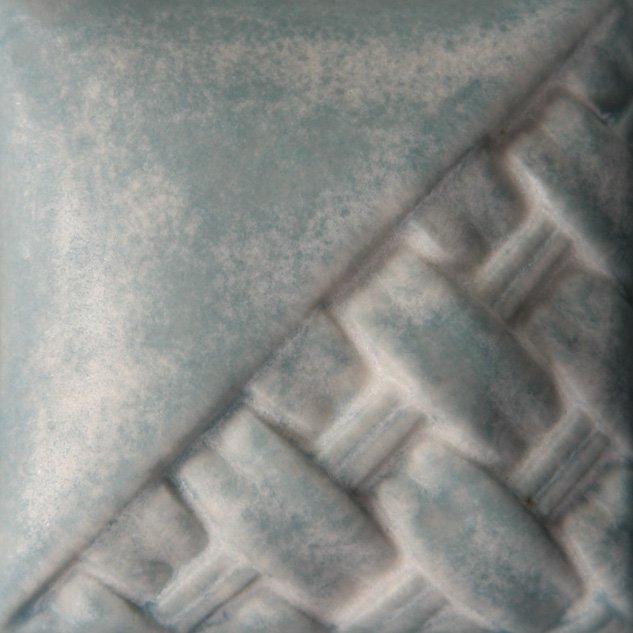
SW-137 - Pint
Cone 6 oxidation (larger image): Storm Gray is designed to produce a medium gray to white variegation depending on application. One coat will produce a medium gray matte finish with little white variegation. Subsequent coats build a white variegation, muting the medium gray.
Cone 10 reduction (smaller image): Off-white variation darkens. Gray variation turns blue.
TIP: Thinned coats produce a medium gray satin finish. Thick applications will increase white variegation. Brush stroke application is visible in finished results. We recommend applying coats on bisque in different directions (crosshatch). Although finish appears opaque, surface decoration can be easily seen through glaze.
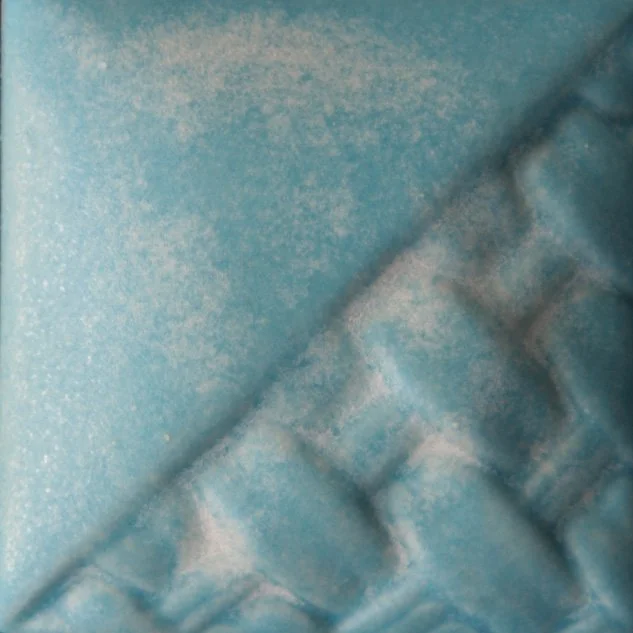
SW-136 - Pint
Cone 6: Weathered Blue is designed to produce a blue to white variegation depending on the application. One coat will produce a sky-blue matte finish with little white variegation. Subsequent coats build a white variegation, muting the sky blue.
Cone 10: Off-white variation darkens.
TIP: Thinned coats produce a sky blue satin finish. Thick applications will increase white variegation. The brushstroke application is visible in the finished results. We recommend applying coats on bisque in different directions (crosshatch). Although the finish appears opaque, surface decoration can be easily seen through the glaze.

SW-138 - Pint
Cone 6 oxidation (larger image): Lemon Meringue is designed to produce a bright yellow to white variegation depending on application. One coat will produce a bright yellow matte finish with little white variegation. Subsequent coats build a white variegation, muting the yellow.
Cone 10 reduction (smaller image): Off-white variation darkens.
TIP: Thinned coats produce a bright yellow satin finish. Thick applications will increase white variegation. Brush stroke application is visible in finished results. We recommend applying coats on bisque in different directions (crosshatch). Although finish appears opaque, surface decoration can be easily seen through glaze.

SW-140 - Pint
Cone 6 oxidation (larger image): Black Matte is formulated to produce a smooth matte surface. Light coats will allow clay body characteristics to appear through the glaze (especially on dark and speckled clay bodies).
Cone 10 reduction (smaller image): Color darkens.
TIP: A true matte finish at cone 5/6 with no movement. Thicker application, three or more coats, will produce a more opaque finish.

SW-141 - Pint
Cone 6: White Matte is formulated to produce a smooth matte surface. Light coats will allow clay body characteristics to appear through the glaze (especially on dark and speckled clay bodies).
Cone 10: No change.
TIP: A true matte finish at cone 5/6 with no movement. Thicker application, three or more coats, will produce a more opaque finish.

SW-162 - Pint
Cone 6 oxidation (larger image): Pink Matte is a semi-opaque matte pink glaze. Lighter coatings will allow body characteristics to appear through the glaze (especially on dark and speckled clay bodies).
Cone 10 reduction (smaller image): Changes to a soft pink translucent gloss.
TIP: Lighter coatings will allow body characteristics to appear through the glaze (especially on dark and speckled clay bodies). Thicker application, three or more coats, will produce a more opaque finish.
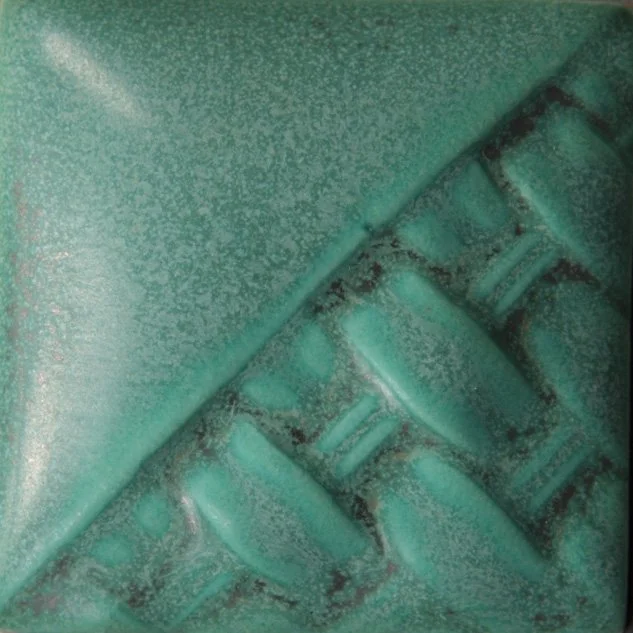
SW-164 - Pint
Cone 6: Satin Patina is a rich tonal matte green patina glaze. The variation of the glaze is dependent on application. The thicker the application the more opaque and homogenous the color will be, and thinner application will allow more of the clay body to show through the glaze. Satin Patina is a stable glaze.
Cone 10: Finish flattens. Color lightens. Brown/orange undertones come through.
Note: Not recommended for dinnerware due to surface durability.
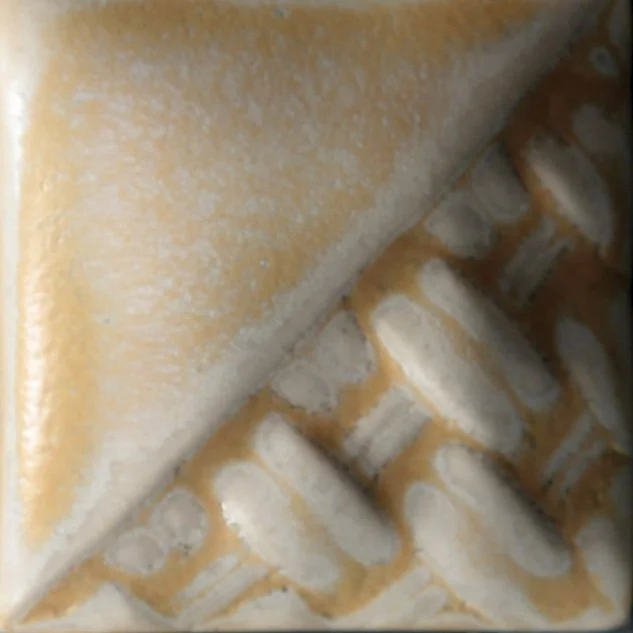
SW-172 - Pint
Cone 6 oxidation (larger image): Macadamia is a creamy vanilla matte glaze that adds accents of gold. We recommend firing our matte glazes to cone 6 to produce a satin matte finish.
Cone 10 reduction (smaller image): Color changes to a variegated gray/cream. Glossy blue becomes more prominent.
Tip: The variation of the glaze is dependent on application; Thicker application will result in a more homogenous color. The glaze will break over texture and can pool a glossy blue.
Wood and soda firing results will vary.
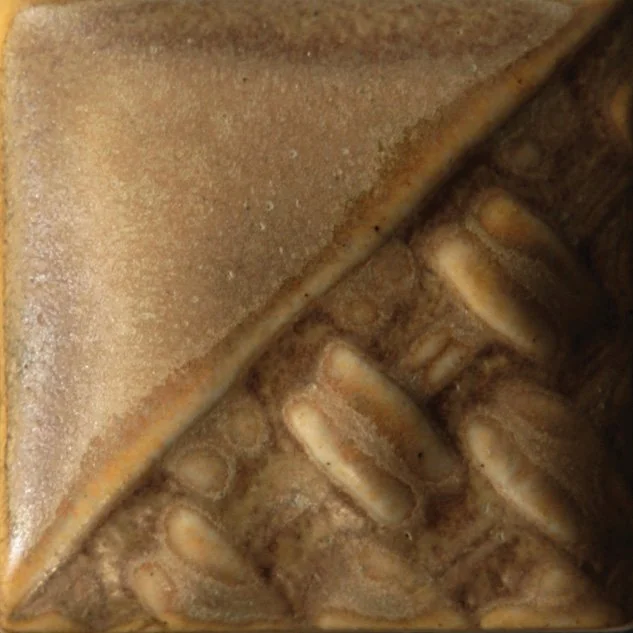
SW-173 - Pint
Cone 6 oxidation (larger image): Amber Quartz is a warm amber matte glaze that adds accents of tan and brown. The variation of the glaze is dependent on application. The thicker the application, the more homogenous the color will be. The glaze will break translucent where thinner and pool darker around surface textures.
Cone 10 reduction (smaller image): Glossy purple/blue is more prominent.
Wood and soda firing results will vary.
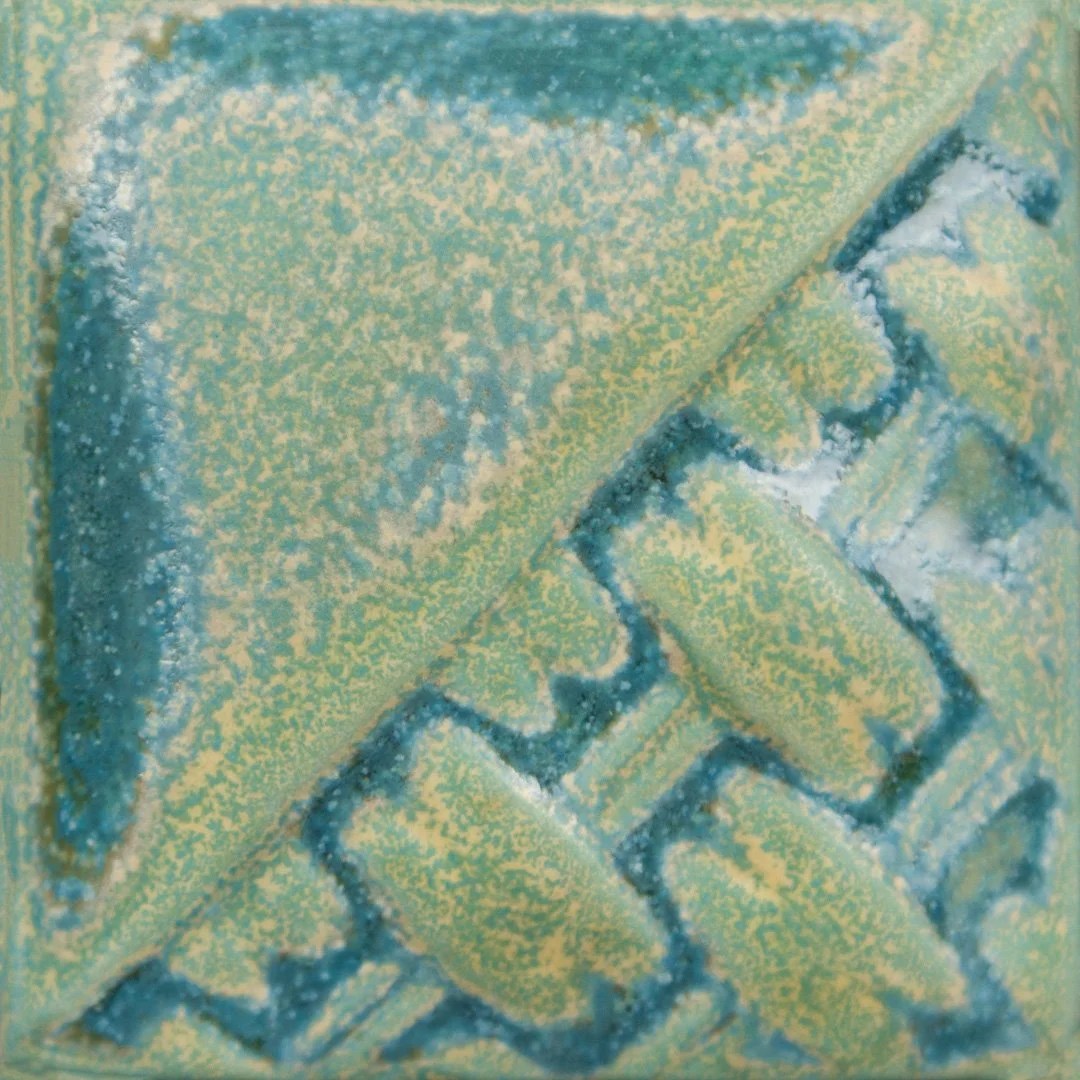
SW-195 - Pint
Cone 6 oxidation (larger image):: Riptide is a satin-matte, opaque, variegated turquoise/green glaze that breaks over texture and develops a glossy finish where thick or pooling.
Cone 10 education (smaller image): Glaze shifts grey with white/turquoise variegation. Glaze remains stable.
TIP: This glaze is generally stable. Additional coats or increased application thickness may result in movement. Thin application results in finely variegated color. Variegation is exaggerated with application thickness. We recommend firing our matte glazes to cone 6 to produce a satin matte finish.
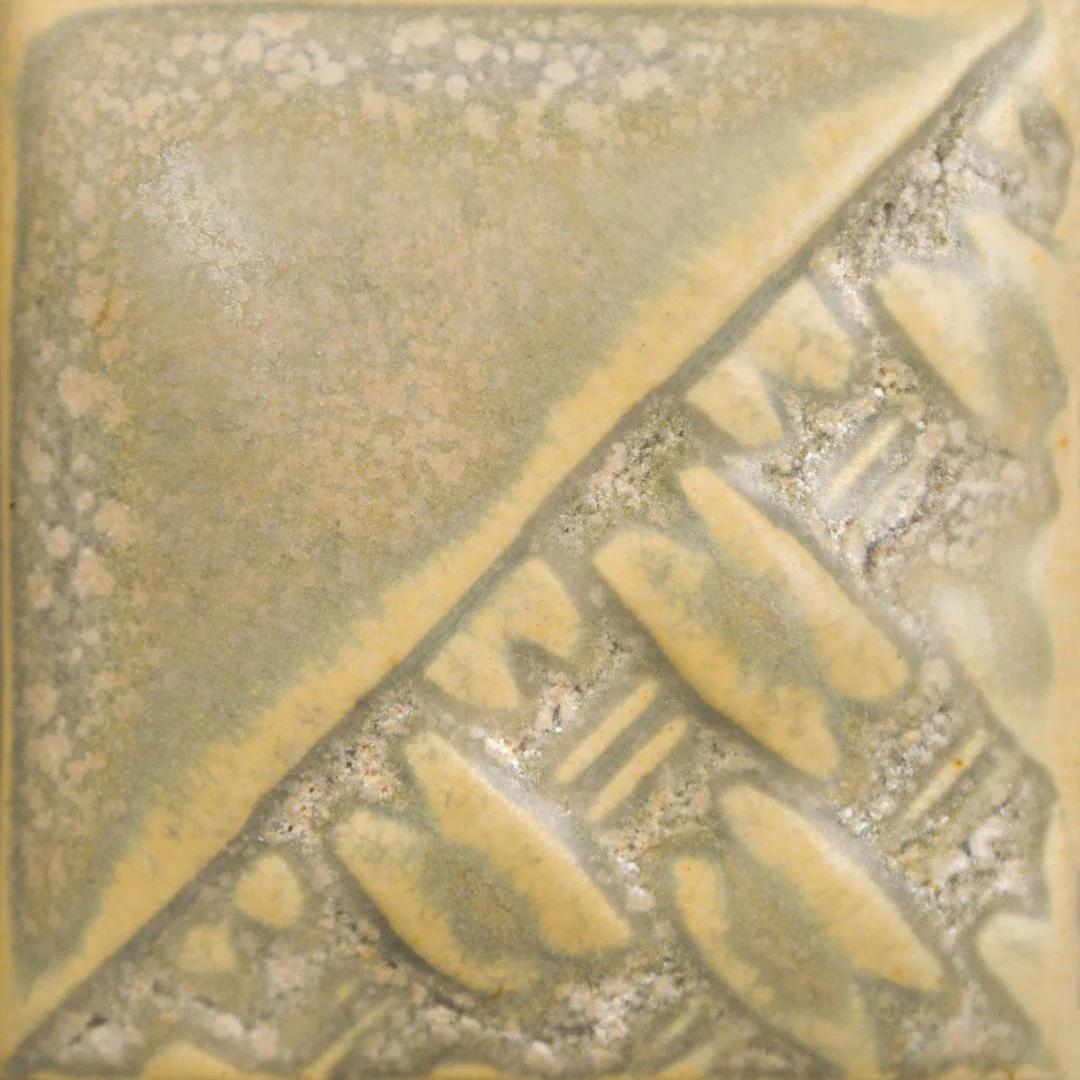
SW-197 - Pint
Cone 6 oxidation (large photo): Geologically inspired with mottled earth tones, Fossil Rock is an opaque, tan, matte glaze that breaks over texture.
Cone 10 reduction (small photo): Glaze shifts ivory with soft gray and warm brown marbling. Breaks slate gray over texture. Glaze remains stable.
TIP: This glaze is generally stable at 3 coats. Additional coats or increased application thickness may result in glaze movement. We recommend firing our matte glazes to cone 6 to produce a satin matte finish.
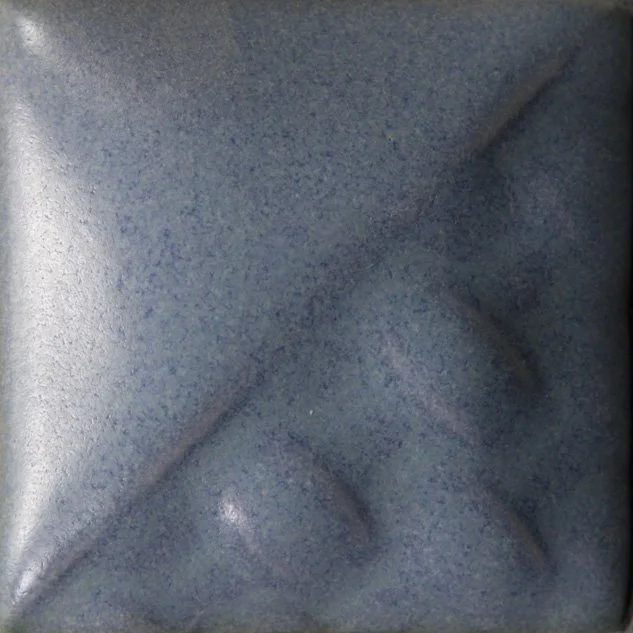
Pint - 16oz
Cone 6 oxidation (larger image): Frost Blue is a mottled blue soft matte glaze that breaks a muted green/gray.
Cone 10 reduction (smaller image): Semi-gloss finish with variegated blue/light blue. Can exhibit green hues.
TIP: Because of the chemical make up, this glaze can vary between a green and blue finish. It has a satin finish. If you like the results that Robins Egg (SW116) gives you, then you will enjoy this glaze because they are made up of similar things.
Wood and soda firing results will vary.

SW-104 - Pint
Cone 6 oxidation (larger image): Black Walnut is a dark brown soft matte glaze that breaks a rich warm brown.
Cone 10 reduction (smaller image): Rich brown undertones come through.
TIP: The thinner the application, the lighter brown the color. The thicker the application, the darker the brown color. For a saturated opaque finish, apply 4+ coats. Has a satin finish.
Wood and soda firing results will vary.